






In a world where diners discover their next meal through Google before ever glancing at a menu, restaurants need more than great food to stand out. They need smart, search-driven visibility that brings hungry users directly to their doorstep. At SEO Design Chicago, we help brands enhance their online presence by connecting culinary creativity with strategic digital optimization. Today, that means understanding how to highlight signature dishes, unique flavors, and one-of-a-kind ingredients to attract long-tail search traffic. This is where restaurant SEO and SEO for restaurants play a powerful role in driving organic discovery.
When someone searches for “best molé tamales in Chicago” or “authentic ramen near me,” they are demonstrating high-intent, niche interest. By optimizing for these hyper-specific keywords, restaurants can reach passionate food lovers who want exactly what they serve. In this post, we will break down how to optimize your unique cuisine for search engines, why long-tail search traffic matters, and how tools like recipe blogs, food product SEO services, and restaurant SEO services can elevate your visibility.
Why Unique Flavors Drive Long-Tail Search Traffic
- 1 Why Unique Flavors Drive Long-Tail Search Traffic
- 2 Step One: Identify Your Signature Ingredients
- 3 Step Two: Build Content Around Unique Flavors
- 4 Step Three: Create Dedicated Landing Pages for Signature Dishes
- 5 Step Four: Leverage Structured Data for Enhanced Visibility
- 6 Step Five: Consider SEO for Food Products and Retail Extensions
- 7 Step Six: Integrate Flavor-Focused Keywords Across Your Digital Ecosystem
- 8 Bringing It All Together: Ranking for What Makes You Deliciously Unique
- 9 Frequently Asked Questions
- 9.1 1. What are long-tail keywords and why are they important for restaurant SEO?
- 9.2 2. How can I identify which unique ingredients or dishes to optimize for search?
- 9.3 3. Do I need to share my secret recipes to benefit from a recipe blog for SEO?
- 9.4 4. Should I create separate pages for individual signature dishes?
- 9.5 5. What is structured data and how does it help restaurants rank for unique dishes?
- 9.6 6. How can restaurants that sell food products (sauces, spices, etc.) benefit from SEO?
- 9.7 7. Where should I include my signature dish keywords to maximize SEO impact?
- 9.8 8. Why should I focus on niche ingredients instead of competing for broad restaurant terms?
Every great restaurant has something that makes it special: a grandmother’s secret spice blend, hand-rolled gnocchi, or the regionally sourced honey drizzled over a decadent dessert. These elements aren’t just menu items, but opportunities. Long-tail keywords are the specific, descriptive phrases people type into Google when they know exactly what they want. They tend to be easier to rank for and attract more qualified users.
When working with clients through SEO for restaurants, we often identify distinctive ingredients and dishes that can anchor an entire content strategy. For example, instead of targeting a broad and competitive keyword like “best Italian restaurant,” consider optimizing for “handmade ricotta cavatelli in Chicago.” This shift connects you with food lovers who are ready to make a reservation.
Step One: Identify Your Signature Ingredients
To start, list out what makes your menu memorable. Ask questions such as:
- What ingredients do we source locally or seasonally?
- Do we offer dishes made from family recipes?
- Are any offerings particularly uncommon in our region?
- Do we have a cult-favorite or social-media-famous dish?
These details fuel long-tail keywords that can support both restaurant SEO and SEO for restaurants campaigns. For instance, if your restaurant is known for using ube, go beyond “ube desserts” and optimize for “Chicago ube cheesecake slice” or “ube matcha latte café.” The more specific the content, the better Google understands your menu.
Step Two: Build Content Around Unique Flavors
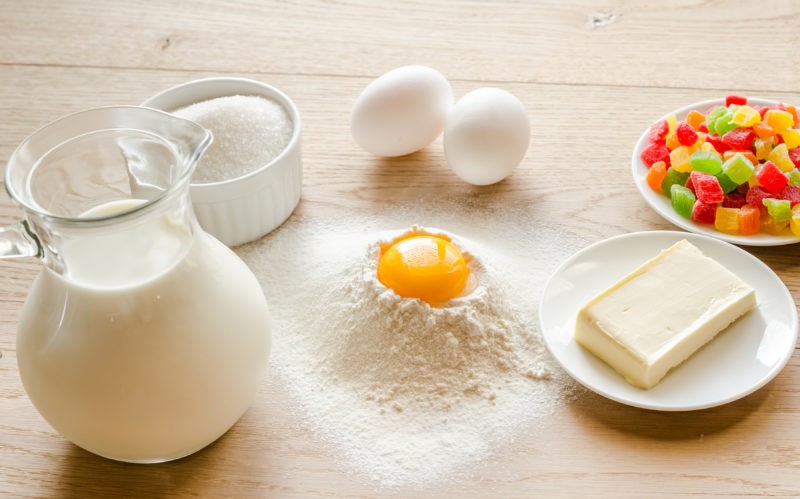
This is where a recipe blog becomes incredibly useful. You don’t need to reveal your secret sauce, just share the story behind your flavors. A recipe blog provides space to highlight ingredients, showcase your cooking methods, and demonstrate your expertise. By weaving long-tail terms naturally into storytelling, your site accumulates relevance and search authority. Imagine a Peruvian restaurant writing a blog post titled: “Why Our Aji Amarillo Sauce Is Different (and How We Use It in Our Signature Chicken).” Content like this supports both long-tail queries and general restaurant SEO services, while also delighting readers.
A strong recipe blog also drives social engagement, backlinks, and repeat site visits, all of which support SEO for restaurants in the long term.
Step Three: Create Dedicated Landing Pages for Signature Dishes
Search engines reward clarity, and nothing says clarity like a page dedicated entirely to one dish or ingredient. This is especially valuable for restaurants with a unique, standout item. If you specialize in kimchi fries, create a page specifically optimized for “Chicago kimchi fries,” “Korean fusion kimchi fries,” and related variations.
A landing page should include:
- A detailed description of the dish
- Its origin or inspiration
- How your restaurant prepares it
- High-quality images
- Internal links to the menu and reservation pages
These pages are essential for both restaurant SEO and broader restaurant SEO services, forming the foundation of a flavor-driven optimization strategy.

Step Four: Leverage Structured Data for Enhanced Visibility
Schema markup helps search engines understand your dishes more effectively. Adding structured data to item pages or menu pages increases the likelihood that Google displays rich results, such as pricing, ingredients, and dietary information.
Restaurants that adopt this approach early often outperform competitors, especially in niche cuisine categories. Structured data also enhances results for searches related to your signature flavors, reinforcing the impact of your SEO for restaurants efforts.
Step Five: Consider SEO for Food Products and Retail Extensions
Some restaurants also sell bottled sauces, spice blends, condiments, or packaged snacks. If your brand falls into this category, expanding your digital footprint with food product SEO services can help you reach new types of consumers. This is especially important for restaurants that ship nationwide or sell through retailers.
Working with an SEO for food products company provides the strategic support needed to position your products for both food-centric search queries and competitive e-commerce visibility. Whether you sell hot sauce kits or artisan pastries, long-tail optimization related to ingredients, flavors, and use-cases can drive new revenue streams.
Businesses that invest in food product SEO services often see improved rankings across both their restaurant and retail websites. When appropriate, link product pages with signature dish content to create a reciprocal SEO ecosystem.
An experienced SEO for food products company can also help identify overlooked keyword angles, like pairing suggestions, cooking instructions, origin stories, and unique attributes that enhance both search performance and consumer interest.
Step Six: Integrate Flavor-Focused Keywords Across Your Digital Ecosystem
Visibility depends on consistency. Make sure your signature dish keywords show up where they matter most:
- Title tags and meta descriptions
- Menu pages
- Blog posts
- Online ordering descriptions
- Google Business Profile
- Social media captions
- Image alt-text
This cohesive approach helps reinforce relevance for each long-tail term. The more consistent your messaging, the stronger your restaurant SEO results.

Bringing It All Together: Ranking for What Makes You Deliciously Unique
Most restaurants try to rank for generic terms like “best brunch near me.” The brands that truly win, however, are those that optimize for the flavors and ingredients only they can offer. Whether through a storytelling-driven recipe blog, strategically guided restaurant SEO services, targeted long-tail optimization, or extended support from a specialized SEO for food products company, your signature dishes can become powerful search assets.
At SEO Design Chicago, we help restaurants translate their flavors into visibility. That means blending creativity with analytics, culinary identity with digital strategy, and the power of long-tail keywords with the fundamentals of SEO for restaurants. When executed correctly, even your most niche ingredients can drive major traffic and earn loyal customers.
If you are ready to rank for what makes your restaurant unforgettable, our team is here to help elevate your search presence one delicious keyword at a time. Contact us today.
Frequently Asked Questions
1. What are long-tail keywords and why are they important for restaurant SEO?
Long-tail keywords are specific, descriptive phrases people type into Google when they know exactly what they want, like “best molé tamales in Chicago” or “handmade ricotta cavatelli near me.” These keywords are easier to rank for than broad terms like “best Italian restaurant” and attract more qualified users with high intent to visit or make reservations. They tend to have less competition while connecting you with passionate food lovers who are specifically searching for what you uniquely offer, making them powerful tools for driving targeted traffic to restaurants.
2. How can I identify which unique ingredients or dishes to optimize for search?
Start by asking key questions: What ingredients do we source locally or seasonally? Do we offer dishes from family recipes? What offerings are uncommon in our region? Do we have a cult-favorite or social-media-famous dish? These distinctive elements become your optimization opportunities. For example, if you’re known for using ube, optimize for specific queries like “Chicago ube cheesecake slice” rather than generic “ube desserts.” The more specific your content around these signature items, the better Google understands your unique menu offerings.
No, you don’t need to reveal your secret sauce or exact recipes. A recipe blog is about sharing the story behind your flavors, highlighting ingredients, showcasing cooking methods, and demonstrating your expertise. For example, a Peruvian restaurant could write “Why Our Aji Amarillo Sauce Is Different (and How We Use It in Our Signature Chicken)” without revealing the complete recipe. This approach builds search authority through natural integration of long-tail keywords while delighting readers, driving social engagement, backlinks, and repeat site visits.
4. Should I create separate pages for individual signature dishes?
Yes, dedicated landing pages for standout dishes are highly effective because search engines reward clarity. If you specialize in kimchi fries, create a page specifically optimized for “Chicago kimchi fries” and “Korean fusion kimchi fries.” Each page should include a detailed dish description, its origin or inspiration, preparation methods, high-quality images, and internal links to your menu and reservation pages. These focused pages form the foundation of a flavor-driven optimization strategy and help you rank for hyper-specific searches.
5. What is structured data and how does it help restaurants rank for unique dishes?
Structured data (schema markup) helps search engines understand your dishes more effectively by providing organized information about menu items. Adding structured data to dish pages increases the likelihood that Google displays rich results showing pricing, ingredients, and dietary information directly in search results. This is particularly valuable for niche cuisine categories and signature flavors. Restaurants that adopt structured data early often outperform competitors by making their unique offerings more visible and accessible in search results.
6. How can restaurants that sell food products (sauces, spices, etc.) benefit from SEO?
Restaurants selling bottled sauces, spice blends, or packaged products should invest in food product SEO services to reach consumers beyond their dining room. This is especially important for brands that ship nationwide or sell through retailers. An SEO for food products company can help position your products for food-centric search queries and e-commerce visibility. Link product pages with signature dish content to create a reciprocal SEO ecosystem—for example, connect your hot sauce product page to blog posts about the dishes that feature it.
7. Where should I include my signature dish keywords to maximize SEO impact?
Consistency is key—integrate your flavor-focused keywords across your entire digital ecosystem: title tags and meta descriptions, menu pages, blog posts, online ordering descriptions, Google Business Profile, social media captions, and image alt-text. This cohesive approach reinforces relevance for each long-tail term. The more consistently your unique dish keywords appear across all touchpoints, the stronger your restaurant SEO results will be, as Google recognizes your authority for those specific flavors and offerings.
8. Why should I focus on niche ingredients instead of competing for broad restaurant terms?
Most restaurants try to rank for generic, highly competitive terms like “best brunch near me,” which are difficult to win and attract less qualified traffic. Brands that truly succeed optimize for the specific flavors and ingredients only they can offer. By targeting niche terms like “authentic molé tamales Chicago” instead of “Mexican restaurant,” you connect with diners who want exactly what you serve and are more likely to visit or order. These niche searches have less competition, higher conversion rates, and help establish your restaurant as the authority for your signature offerings rather than just another option in a crowded field.

Contact Us today!